Schools
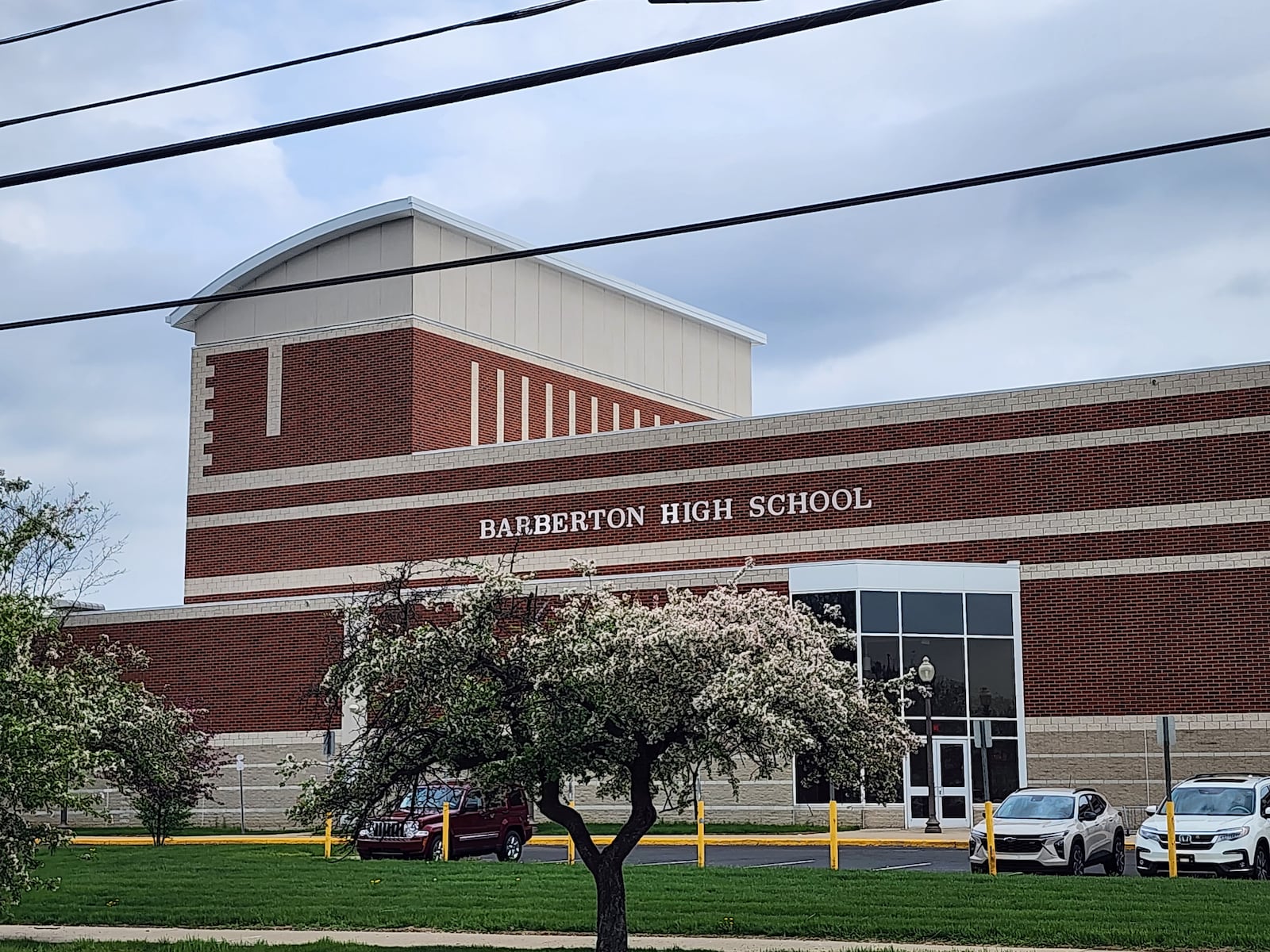
Tax increases in Barberton, Mogadore, Norton, Tallmadge, Springfield Twp. yield mixed results
By Tom Langston
Advertisement · Why this ad?
Tom holds a Master's in Education from Cleveland State University and has been reporting on educational issues for over seven years. His work has appeared in various local publications, where he has explored both public and private school systems in Cleveland.
More from Tom →
As the sun began to set on a crisp autumn evening in Northeast Ohio, families gathered around kitchen tables, anxiously awaiting the results of the 2026 midterm elections. For many, the stakes were high, not just for political candidates, but for the future of their local schools. The air was thick with anticipation as parents, educators, and community members wondered whether their district's proposed school levies would pass or fail. With rising costs and declining state funding, these decisions would have lasting impacts on their children's education and the fabric of their communities.
On Tuesday night, voters across the region faced critical choices regarding school funding. Various school districts, grappling with financial challenges, put forth proposals aimed at securing additional funding through levies. These measures were designed to address the increasing costs of education, including teacher salaries, classroom supplies, and essential programs that enrich student learning.
In total, over 30 school districts in the greater Cleveland area asked voters for their support. The outcomes of these votes will not only influence the immediate financial health of the schools but also shape the educational landscape for years to come. As districts like Cleveland Metropolitan School District and Parma City Schools sought approval for new levies, the community's response would ultimately dictate the level of resources available for their students.
Results began to roll in shortly after the polls closed, revealing a mixed bag of outcomes. Some districts celebrated victories, while others faced disappointment as proposed levies were rejected by voters. Understanding the implications of these results is crucial for parents and community members who are invested in the educational future of their children.
The reactions from community members were as diverse as the districts themselves. In districts where levies passed, there was a palpable sense of relief and hope. Educators and parents alike expressed gratitude for the support, recognizing that the funds would directly impact their classrooms and students' experiences.
“It’s a win for our kids and our community,” said Sarah Thompson, a teacher at North Royalton City Schools, where a crucial levy passed with a narrow margin. “We can now maintain our programs and ensure our students have the resources they need to succeed.”
However, not all districts shared in this victory. In places where levies failed, the mood was somber. Parents voiced their concerns about potential cuts to programs and staff. “We’re worried about what this means for our children’s education,” remarked John Miller, a father of two in Cuyahoga Falls, where a vital funding measure was rejected. “We need to come together as a community to find solutions.”
The challenges facing schools are compounded by broader economic factors. Declining state funding has left many districts scrambling to make ends meet, leading to tough decisions about where to allocate limited resources. This reality has sparked discussions among community leaders about the importance of stable funding and the need for advocacy at the state level.
As the dust settles from the election, school districts will need to assess their next steps. For those that successfully passed levies, the focus will shift to implementing the new funding effectively. This may involve hiring additional staff, upgrading facilities, or enhancing educational programs. Communities that rallied together to support these measures will likely continue to engage in discussions about how best to utilize the new resources.
Conversely, districts that faced setbacks will have to strategize on how to move forward without the anticipated funding. This could mean reevaluating budgets, making cuts, or even launching new campaigns to educate voters on the importance of school funding. The conversation about education will remain active, as parents and community members seek to ensure their schools are adequately supported.
The implications of these election results extend beyond the classroom. Schools are often the heart of their communities, providing not just education, but also a sense of belonging and support for families. When schools thrive, communities thrive. The success or failure of these levies will ripple through neighborhoods, affecting local businesses, property values, and overall community morale.
Local chambers of commerce, such as the Greater Cleveland Partnership, recognize the importance of robust educational systems. They understand that well-funded schools contribute to a skilled workforce, which in turn attracts businesses and fosters economic growth. As such, the outcomes of these elections are not just educational issues; they are economic ones.
Moreover, the commitment to education reflects a broader societal value. Strong families and engaged communities are often linked to the success of their local schools. As parents rally around educational initiatives, they reinforce the importance of stable families and the role they play in nurturing future generations.
For parents and educators looking to stay informed about the ongoing developments in their districts, several resources are available. Websites like Ohio Department of Education provide updates on funding, educational programs, and policy changes. Additionally, local school district websites often contain valuable information about upcoming meetings and initiatives.
Community organizations, such as Ohio Children’s Alliance, also offer support and advocacy for families navigating the educational landscape. Staying connected with these resources can empower parents to be active participants in their children’s education, ensuring that their voices are heard.
As Northeast Ohio moves forward from the 2026 midterm elections, the community's commitment to education will be tested. With the results now in, the focus will shift from voting booths to classrooms, where the real work begins. Whether celebrating victories or regrouping after defeats, the residents of these districts have shown a dedication to their schools and the future of their children.
In the coming months, it will be essential for community members to remain engaged, advocating for the resources and support that schools need to thrive. By working together, parents, educators, and local leaders can foster an environment where every child has the opportunity to succeed. The strength of a community lies in its commitment to its families and the shared belief in the power of education to transform lives.
By Tom Langston
By Tom Langston
By Tom Langston
By Tom Langston